
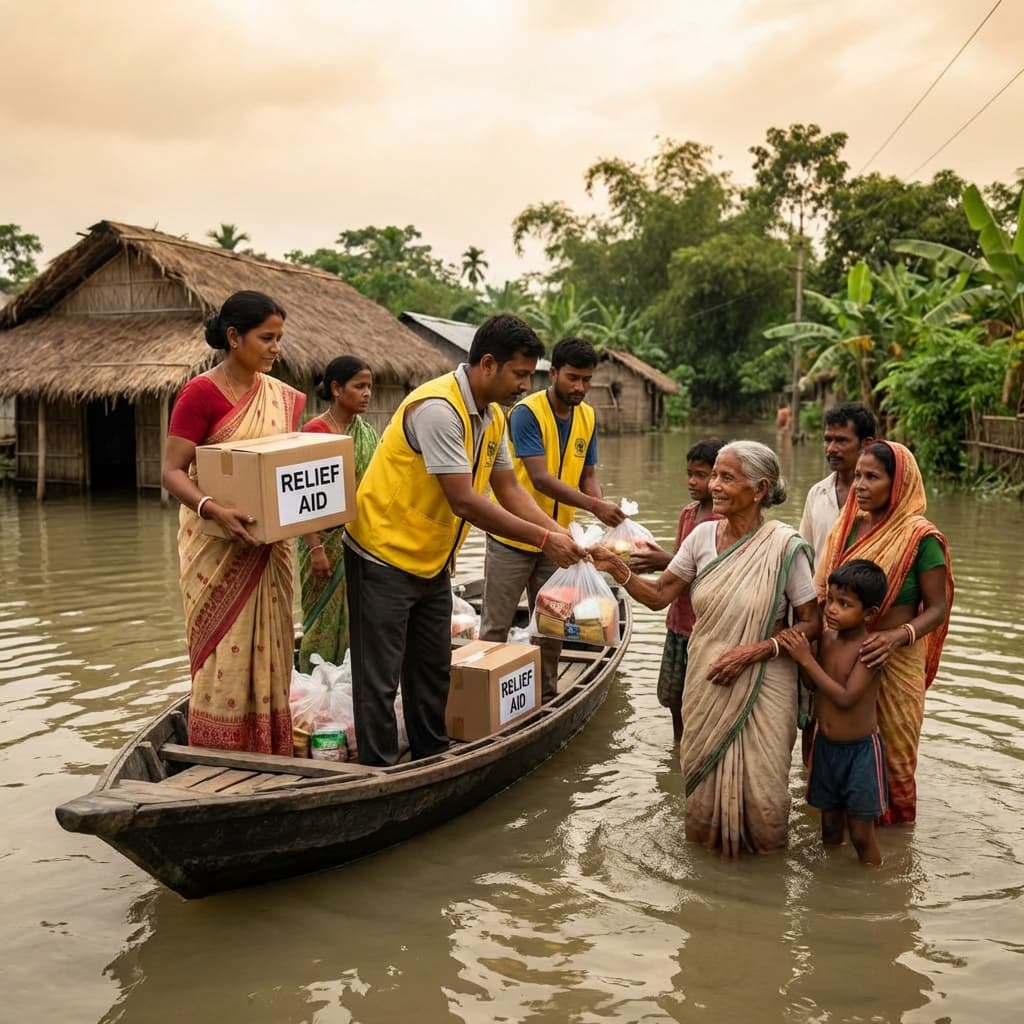
How to Donate Effectively During Disaster Relief — and Avoid Common Mistakes
When floods, cyclones or droughts hit, the urge to help is immediate. But poorly timed or misdirected giving can actually slow relief efforts. Here is how to give well.
Disasters generate an outpouring of generosity. They also generate chaos at receiving organisations overwhelmed with unsolicited parcels, mismatched goods and misdirected bank transfers. With the right approach, your contribution amplifies the relief effort instead of adding to the burden.
Cash is almost always the most useful donation
Verified organisations on the ground know what they need and when. Cash gives them the flexibility to procure the right items from local suppliers — often faster and cheaper than transporting goods from another city. It also keeps local economies working when communities need it most.
- Cash can be deployed within hours of a disaster.
- Local procurement means fresher food, correct sizes, right medicines — things a donor in another city cannot predict.
- Donated goods often arrive days after the acute need has passed.
When goods donations do help
In-kind donations are effective when an NGO has specifically requested them and has the logistics to handle delivery. If a shelter asks for 200 blankets and you can deliver them, do it. If they have not made that request, call first.
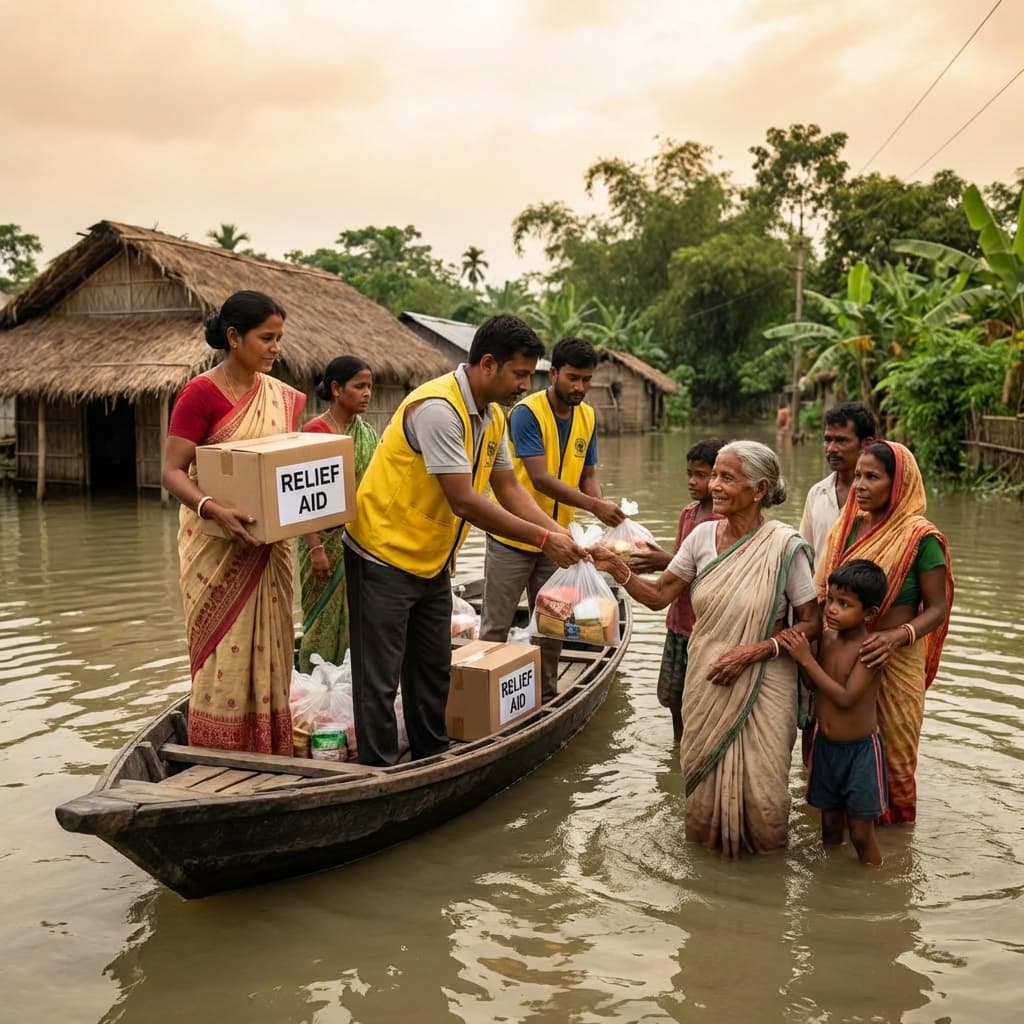
Coordinated relief reaches more families faster.
How to choose where to give
- Give to organisations already working in the affected area, not new pop-up funds.
- Check for FCRA registration if the NGO is accepting large-scale relief contributions.
- Look for organisations that publish regular updates on fund use during the emergency.
- Avoid wiring money to personal accounts, even from well-meaning individuals — the accountability structure is missing.
Timing: urgency vs. long-term recovery
The acute emergency phase typically lasts 72 hours. The recovery phase — rebuilding homes, restarting livelihoods, restoring schools — lasts months or years. Most donations pour in during the first 72 hours. The organisations working in month three are often the ones that change outcomes the most.
The best disaster relief donation is the one given to the right organisation at the right time — not just the fastest.
Avoid these common mistakes
- Donating expired medicines or opened food — they are disposed of, not used.
- Sending clothes without checking what the region and season need.
- Giving to viral social media posts without verifying the organisation.
- Forgetting the recovery phase — keep supporting months after media coverage fades.
Give with confidence
SevaDeep lists only verified NGOs with documented track records. During active disasters, we surface dedicated relief campaigns so you can give to vetted organisations doing real work. View current campaigns or explore organisations by cause.
Share this story
Inspired to make a change?
Join our community of changemakers and help us serve more people in need.
Related Stories

Education Donations in India: What Schools and Learning Centres Actually Need
Books and stationery are just the start. Here is a practical guide to what government schools, learning centres and children's shelters genuinely need — and what to skip.
Your Complete Guide to 80G Tax Benefits on Donations in India
Giving to a registered NGO can also lower your income tax. Here is exactly how Section 80G works, how much you can claim, and how to get a valid receipt.

How to Donate Clothes, Furniture and Books in Pune with Free Pickup
Got usable items you no longer need? Here is how to give them a second life with a verified NGO — including free doorstep pickup across Pune and nearby cities.