

What is Clutter? Why is it difficult to get rid of it?
Another year is around by... but we have built out such a long list of items in our homes which we hardly use...
Every home collects it — the drawer that will not close, the cupboard of clothes no longer worn, boxes we have not opened in years. We know we should let go, yet somehow we do not. Why is clutter so hard to release?
Why letting go feels difficult
Our belongings carry memories, intentions and a quiet what-if. We keep things for the person we might become, or to honour money already spent. Recognising these feelings is the first step to moving past them.
The hidden cost of holding on
- Clutter crowds your space and your mind.
- Useful items sit idle while families nearby go without them.
- What feels like waste to you can be a lifeline to someone else.

Unused items waiting for a second life.
Turn clutter into kindness
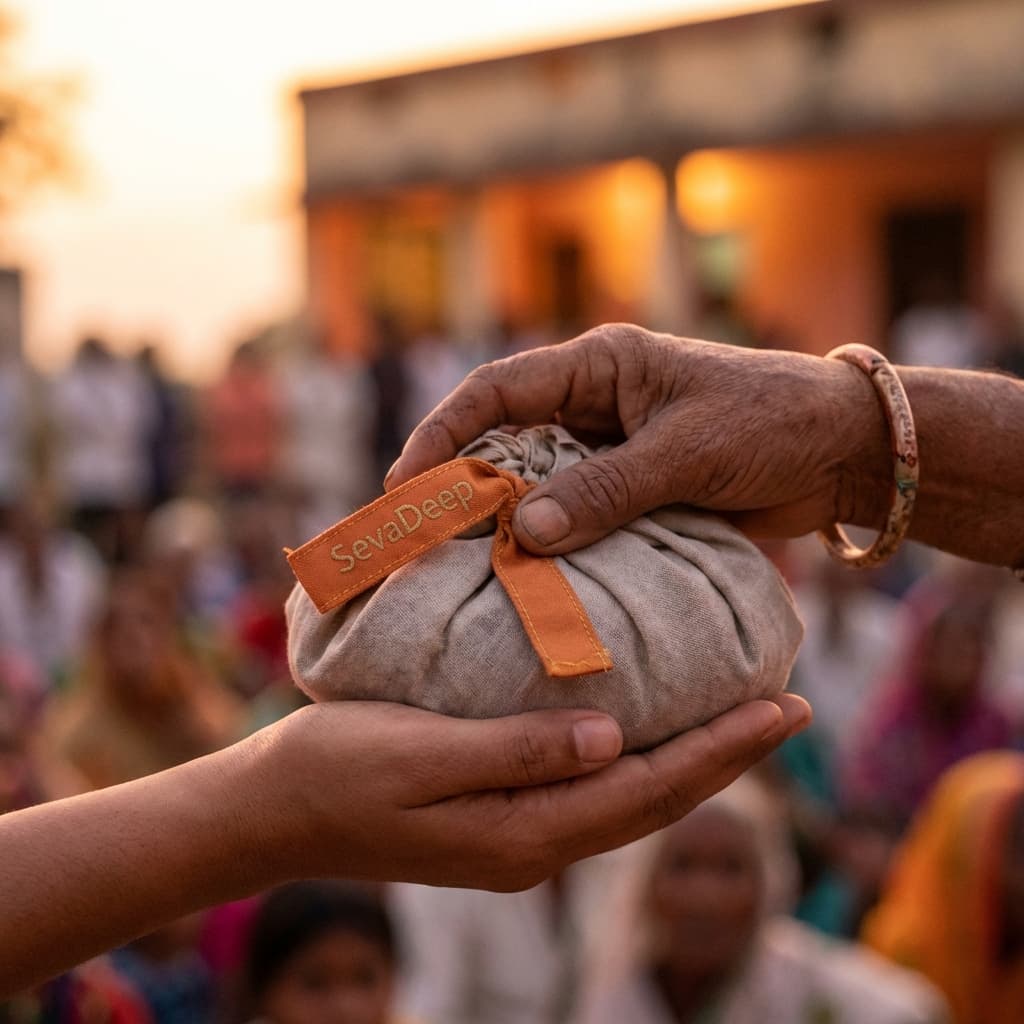
The easiest way to let go is to give meaning to the act. Instead of discarding, donate. With SevaDeep you can list usable items and a verified NGO collects them — free of cost. Start on our donate goods page.
You do not lose what you give away; you pass it on.
Share this story
Inspired to make a change?
Join our community of changemakers and help us serve more people in need.
Related Stories

Education Donations in India: What Schools and Learning Centres Actually Need
Books and stationery are just the start. Here is a practical guide to what government schools, learning centres and children's shelters genuinely need — and what to skip.

How to Donate Effectively During Disaster Relief — and Avoid Common Mistakes
When floods, cyclones or droughts hit, the urge to help is immediate. But poorly timed or misdirected giving can actually slow relief efforts. Here is how to give well.
Your Complete Guide to 80G Tax Benefits on Donations in India
Giving to a registered NGO can also lower your income tax. Here is exactly how Section 80G works, how much you can claim, and how to get a valid receipt.